.jpg)
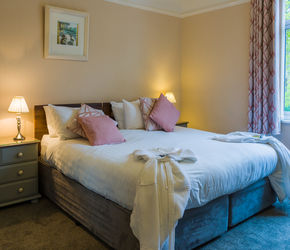
Superior Super King
View Room

The Rosscourt -Free from Children for a time to relax
Bournemouth Bed and Breakfast
Near the Beach!
07984670420
Welcome to The Rosscourt- Exclusively for adults, free from children *
BOOKING DIRECT BY PHONE OR HERE FOR UPTO 10% DISCOUNT,
ON ALL ONLINE TRAVEL AGENCIES RESERVATION PRICES
We reopen on 19th April 2024, looking forward to meeting you or seeing you again.
A time to relax, for that perfect break away
We pride ourselves on offering you, our guests, cleanliness, comfort & great customer service,
We look forward to welcoming you to this beautiful part of Dorset, that has been our home and workplace for the last 25 years.
Travelling for business or leisure, we are located close to restaurants, cafes and bars. Just 500 yards from the 7 miles of coastline, that Bournemouth boasts.
Free parking on site, peace of mind.
Free wi fi , stay connected.
All rooms en suite for your comfort.
Ground floor room available, for those that don't like stairs.
Explore and experience or just relax and unwind
Minimum stays applicable
We shall be closed from 1st November 2023 to 19th April 2024
*No children under 16 years old.
See our Google reviews




Show more rooms
Our Features and Highlights
Motorbike and Cyclist Friendly
Free, secure storage of bikes. Motorbikes can be secured behind our gates with CCTV and security lighting
Free Parking
Free on site parking (subject to availability )
Exclusively for adults, a time to relax
for that perfect break away from hustle and bustle, and no children under 16 years old around!!
All rooms have en suite
All rooms have an en suite shower room for your comfort. Our budget double has a small ensuite
All rooms have an en suite shower room for your comfort. Our budget double has a small ensuite
Near the O2 Bournemouth
No need to catch a taxi after the gig, just a short walk around the corner and you are here.
No need to catch a taxi after the gig, just a short walk around the corner and you are here.
Free Wifi and Freeview TV
Never miss that email or be stuck without internet, our WiFi is available in all areas. Don’t miss your favourite programme, we have plus 1 channels as well.
Never miss that email or be stuck without internet, our WiFi is available in all areas. Don’t miss your favourite programme, we have plus 1 channels as well.
Important Times
Reception Times
Check-in 4pm
Latest Check-in is 7pm If you are to be later you must call to pre-arrange. Hotel closes to check in at 10pm., your night will be forfeit and check in will be 07.30 next day
Check-out by 10am -10.30am
Parking
Cars: Free on site , subject to availability
Motorbike: Free on site or behind gates in secure area.
All rooms have 24 hour access once checked in.
Breakfast Times
Mon to Sun - 8am till 9am. £12 per person per morning.

Why Book Direct?
We love direct bookings here at the Rosscourt, call us or click on the calendar with your dates and find out our offers, only available to guests who book direct
Any questions please feel free to telephone Debbie or Peter and we will be happy to help
TELEPHONE 07984 670420